Having been a public speaking instructor for over 20 years, I don’t find the idea of addressing a live audience to be frightening. So when the organizers of the 2026 Columbus Arts Festival offered writers the opportunity to share their work on stage, I quickly applied. The Secrets We Carry: Journal of a Girl in Trouble wasn’t quite finished when applications opened for the 2025 Arts Festival, so I didn’t want to miss the opportunity a second time.
The application process was fairly easy. The biggest challenge arose when it came to identifying an excerpt from The Secrets We Carry that would be both meaningful and entertaining for my listeners. As is true of any novel, the middle and later chapters can’t be understood without first reading the opening chapters. Accordingly, I honed in on the book’s second chapter, which revolves around Collin’s attempt to enlist Herbie’s help in identifying and rescuing the “girl in trouble.” This chapter gives readers — and listeners — a good idea of where the plot is heading without disclosing any “spoilers.” However, reading the whole chapter would take longer than the 10-12 minutes that I was allotted. The solution? Eliminate the narration, leaving only the dialogue between Collin and Herbie. Not only did this bring the length of the reading to within the required time frame, it also created a snappier, fast-paced composition. To underscore this fact, compare the following excerpt from Chapter Two with and without the narration.
(With Narration)
“You found what in your backpack?” Herbie’s surprise came through despite his raspy voice.
“You heard me. A girl’s journal.”
“What girl?”
“I don’t know her name, but she’s a junior like us. Calls herself ‘a girl in trouble.’”
“How did it get in your backpack?”
“Don’t know that either.” Collin sensed his friend’s growing interest.
“Okay,” Herbie said after a short pause. “Why not turn it into Lost and Found? If she really wants it back, she’ll probably check there anyway.”
“I guess I could, except…”
“Except what?”
“Except if the journal goes to Lost and Found, the office secretaries will read it, and there’s stuff in there she won’t want them or anyone else to see.”
“Is she pregnant?”
“If she isn’t, she could be soon.”
Herbie’s gasp seemed to burst out of Collin’s cell and echo through his bedroom. “How much of it have you read?”
“Almost half. Enough to know she’s not joking about being a girl in trouble.”
There was another pause. Collin figured Herbie wanted at least a few details about the girl’s trouble. He hadn’t planned to share details, but suddenly needed for his one and only real friend to be in on this too. “She’s got this boyfriend she calls Red Lion. She cheated on him with another guy, and now he’s real demanding on her, if, um, you know what I mean.”
(Without Narration)
“You found what in your backpack?”
“You heard me. A girl’s journal.”
“What girl?”
“I don’t know her name, but she’s a junior like us. Calls herself ‘a girl in trouble.’”
“How did it get in your backpack?”
“Don’t know that either.”
“Okay, why not turn it into Lost and Found? If she really wants it back, she’ll probably check there anyway.”
“I guess I could, except…”
“Except what?”
“Except if the journal goes to Lost and Found, the office secretaries will read it, and there’s stuff in there she won’t want them or anyone else to see.”
“Is she pregnant?”
“If she isn’t, she could be soon.”
“How much of it have you read?”
“Almost half. Enough to know she’s not joking about being a girl in trouble. She’s got this boyfriend she calls Red Lion. She cheated on him with another guy, and now he’s real demanding on her, if, um, you know what I mean.”
In this passage alone, the inclusion of narration adds 73 words to the reading, and throughout the entire piece, narration adds over 200 words. Since I had no more than 12 minutes to speak, leaving out the narration kept me from taking time away from the other presenters.
When the time came to go on stage, I felt well prepared. I had rehearsed my reading several times, which allowed me to move away from the script and make eye contact while I spoke. At the conclusion, I made sure to tell my listeners that 2/3 of my book sale money was going to the Ohio Domestic Violence Network and the Rape, Abuse, and Incest National Network.
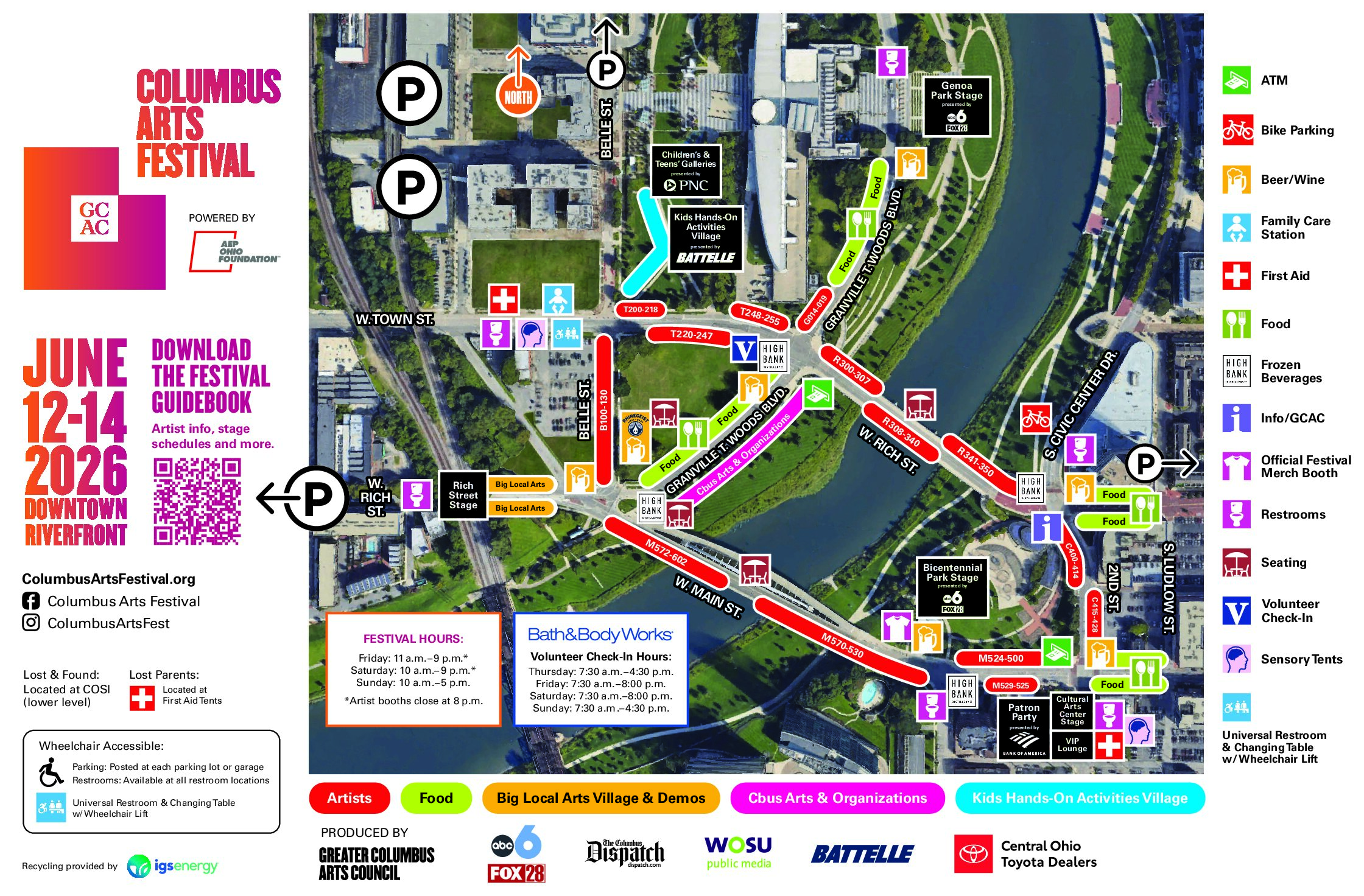
I felt this experience was rewarding in part because I received a $50 gift card from the program organizers and partly because I got to communicate my message about sexual abuse to at least a few people. The size of the audience (12-15) people was somewhat disappointing. The low attendance may be due in part to the isolated location of the stage being used. It’s located in a walled-in patio next to the city’s cultural arts center. The wall presumably keeps outside noise — especially music — from interfering with our readings, but it also makes it hard for people to find us or even stumble upon us accidentally.
All writers make sacrifices to get their work noticed. Maybe speaking on a secluded stage is just one more.