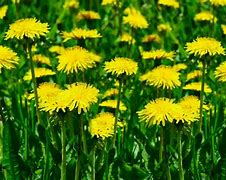
When it comes to the “Parts of Speech” family, the adverb is the red-headed stepchild, the runt of the litter. “The road to hell is paved with adverbs,” declares no less a writer than Stephen King. “To put it another way,” King continues, adverbs “are like dandelions. If you have one on your lawn, it looks pretty and unique. If you fail to root it out, however, you find five the next day… fifty the day after that… and then… your lawn is totally, completely, and profligately covered with dandelions.”
King is right. Adverbs can be and often are overused. But the same could be said of almost every other part of speech. I’ve read essays and short stories where pronouns are used so freely, it is hard to identify the antecedent nouns to which they refer. A noun can be overused too, especially when it is the focus of a nonfiction composition. I faced that issue with the noun “slavery” when I wrote my dissertation. As noted in my April 14 blog, “Avoiding Excessive Repetition of Words,” I had to find some synonyms for “slavery,” so I didn’t weary my readers with an overuse of that word.
The main complaint against adverbs is that they are indicative of lazy writing. Writers use them in instances when a stronger verb would do a better job of expressing the desired meaning. For example, instead of saying “The firefighter moved swiftly toward the spreading flames,” a writer would make a stronger sentence by saying “The firefighter dashed toward the spreading flames.”
Similarly, writers turn to adverbs to “tell” something that should be “shown” through more detailed language. Consider this example: “The best man dressed sloppily for the wedding.” And consider this alternative: “The best man wore an unbuttoned vest, cockeyed tie, and sagging boutonniere.” No doubt, the second sentence conveys a stronger image than the first.
But while bad uses of adverbs (such as those cited above) should be avoided, we should not lose sight of the advantages adverbs can offer. Two, in particular, are worth noting here.
First, adverbs allow the writer to give a nuance to a sentence or a sharper image of what is happening. Let’s go back to the example above.
“The firefighter dashed toward the spreading flames.” We get an image of a person decked out in heavy protective clothing but with churning legs that send him or her rapidly forward.
Now let’s add an adverb. “The firefighter dashed clumsily toward the spreading flames.” The image is different now. We can still see this person moving with speed but not without difficulty. We can see him or her perhaps stumbling or lurching from side to side while moving toward the flames. Let’s try one more adverb. “The firefighter dashed desperately toward the spreading flames.” A new image appears, one where the firefighter leans forward while running, perhaps with arms pumping to increase speed and with a worried look across the face. And with this image comes a question. What will happen if the firefighter, despite dashing, doesn’t reach the flames in time? Will a life be lost? Will a family heirloom be destroyed? In each example, the addition of an adverb creates an image that is substantially different than the image that results in the adverb’s absence.
What about the accusation that using adverbs can make a writer lazy, unwilling to give the reader interesting details on action or a character? There is that danger, for sure. But there is also a danger that in avoiding adverbs at all costs, a writer will burden the reader with cumbersome details on an idea, action, or character that isn’t significant. Let’s imagine a story about a young falling-in-love couple going on a picnic. Part of that story might include a description of the spot where they lay down their picnic basket.
In the nearby oak tree, leaves jostled by a rising and diminishing wind blended with chirps from red-breasted robins that could not be heard well due to their location near the tree’s summit.
Unless the leaves and birds will affect the picknickers in some way significant to the plot, the sentence below (with two adverbs) would communicate the same information more efficiently.
The sound of an oak tree’s softly rustling leaves blended with the vaguely heard chirps from robins clustered near the tree’s summit.
None of what I’ve written here contradicts what King and other adverb critics have said. But it’s worth remembering that any part of speech used excessively or thoughtlessly can damage an otherwise solid piece of writing. So, use adverbs carefully, wisely, and judiciously and your lawn will not be overrun with dandelions.